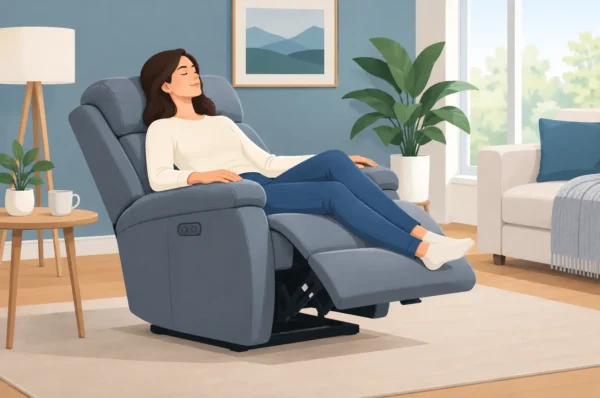
A family lounge is rarely just a lounge. It is the spot for Saturday cartoons, school bags dropped after pickup, afternoon naps, visiting relatives and the occasional dinner in front of the TV. The best family friendly lounges need to look at home in your living room while standing up to the wonderfully messy, busy reality of everyday family life.
For many Australian households, the right choice comes down to a balance of comfort, practical upholstery, generous seating and a layout that works for the room you actually have. A beautiful sofa that feels too precious to use can quickly become frustrating. On the other hand, a lounge built purely for durability may not create the warm, welcoming space you want to come home to. The sweet spot is furniture that gives you both.
What Makes the Best Family Friendly Lounges?
The best option is not always the largest lounge in the showroom. It is the one that suits your household, your floor plan and how you spend time together. A growing family in a new Pakenham home may need a roomy modular that can host movie nights, while an apartment or townhouse may benefit from a compact chaise lounge that provides extra comfort without taking over the room.
Start with the number of people who use the space daily. If everyone tends to stretch out at night, a three-seater alone may feel cramped, even if it looks generous in-store. Consider whether you need room for visiting friends, sleepovers, pets or family members who prefer a supportive seat rather than a deep, low lounge.
It also helps to think beyond the lounge itself. Leave enough space to walk around a coffee table, open doors, access storage and move between the living and dining areas. A lounge should make your home feel more liveable, not turn every trip to the kitchen into an obstacle course.
Choose an Upholstery That Can Handle Everyday Life
Fabric choice has a big effect on how relaxed you feel in your own home. Families should not have to panic every time a drink is placed on the armrest or a toddler climbs aboard with a snack.
Easy-care fabric for a softer feel
Fabric lounges remain a favourite for family homes because they feel warm, comfortable and inviting. Look for tightly woven, durable upholstery in mid-tone or textured colours. Charcoal, taupe, oatmeal, soft grey and earthy shades can be easier to live with than very pale cream or solid black, depending on your household. A flecked or woven finish can disguise the small marks and daily wear that show up over time.
If children or pets are part of the picture, ask about the care requirements before deciding. Some fabrics respond well to prompt spot cleaning, while others may need more specialised treatment. Removable cushions can be useful too, as they make it easier to clean underneath and rotate cushions for more even wear.
Leather-look and leather options for quick wipe-downs
Leather or leather-look upholstery can be a practical choice for homes where quick clean-ups matter. Spills are often easier to wipe away than on some fabric surfaces, and the sleek finish works beautifully in modern living rooms. However, it is worth considering how the material feels in different seasons, especially in homes that get plenty of afternoon sun.
Quality and construction matter here. Choose a lounge with supportive cushioning and a finish designed for regular use, rather than selecting by appearance alone. A family lounge should still feel comfortable during a long film or lazy Sunday afternoon.
Consider your pets, not just your children
Pets change the equation. Dark fur on pale fabric, sharp claws on delicate upholstery and a favourite sleeping spot can all affect what will work best. A forgiving colour, a sturdy weave and cushions that retain their shape are usually more useful than a lounge that needs constant fussing. If your dog has claimed the corner seat, choose a style you will be happy sharing.
Pick a Layout That Brings Everyone Together
The shape of your lounge sets the tone for how your family uses the room. There is no single right format, but each style offers a different advantage.
A chaise lounge gives one or two people a place to put their feet up without requiring the footprint of a full corner suite. It is a smart choice for smaller living rooms, renters and anyone who wants a relaxed look with flexible styling around it.
Corner lounges are ideal when you have a dedicated living area and want to make the most of the room’s edges. They can create a defined zone in an open-plan home, offering plenty of seats without the disconnected feel of several separate chairs. Check which side the chaise or return sits on before ordering, and picture it in relation to windows, doors and your television wall.
Modular lounges offer the most flexibility for families whose needs may change. Individual sections can be arranged to suit the space, expanded later where the collection allows, or reconfigured when you move home. They are particularly helpful for large households and entertainers, though their generous proportions mean measuring is essential.
For homes that welcome overnight guests, a sofa bed can be a useful all-rounder. The trade-off is that some sofa beds may not have the same deep cushioning as a dedicated lounge, so try the seating position as well as the bed mechanism. It needs to work for your everyday routine first.
Comfort Is About More Than a Soft Seat
A lounge can look plush and still be uncomfortable after 20 minutes. When comparing options, consider seat depth, seat height, back support and cushion filling.
Deep seats are excellent for lounging, particularly for taller family members or those who enjoy curling up with a blanket. Yet a very deep lounge can be less comfortable for people who prefer to sit upright, including grandparents visiting for lunch. A slightly shallower seat with supportive back cushions may suit a mixed household better.
Seat height is just as important. Lower-profile designs can create a contemporary, relaxed look, but getting up from them may be harder for some people. If this is your main family room, aim for comfort that works across different ages and body types.
Cushion construction affects the feel over time. Foam usually offers a supportive, structured sit, while fibre-filled cushions often feel softer and more casual. Some designs combine both for a comfortable middle ground. Plump and rotate loose cushions as recommended to help your lounge maintain its shape.
Measure Before You Fall in Love
A tape measure can save a great deal of disappointment. Measure the available floor area, then mark out the lounge dimensions with painter’s tape or newspaper. This simple step makes it easier to judge pathways, clearances and whether the chaise will block a door or crowd the coffee table.
Do not forget the delivery path. Measure entry doors, hallways, stairwells and tight turns, particularly in townhouses, units and older homes. Consider whether sofa sections will fit through the front entrance and where they can be safely carried from the ute. It is also sensible to check the height of windowsills and nearby power points before finalising a layout.
In an open-plan home, use a rug to visually anchor the lounge zone. Ideally, the front legs of the seating can sit on the rug to create a connected, intentional look. This approach helps a large room feel cosy without adding unnecessary furniture.
Make a Family Lounge Feel Finished, Not Fragile
The living room should feel styled, but it does not need to feel untouchable. Choose a few cushions in complementary colours rather than covering every seat, and keep a washable throw nearby for cooler nights or pets. A sturdy coffee table with softened edges can be more family-friendly than a delicate piece with sharp corners or a highly polished surface that shows every fingerprint.
Storage also earns its place in a hardworking room. A TV unit, sideboard or storage ottoman can keep games, remotes, chargers and blankets within reach but out of sight. When the essentials have a home, it is easier to reset the room after a busy day.
At Carlisle Furniture & Bedding, families can compare lounge styles alongside coffee tables, rugs, storage and dining furniture, making it simpler to create a living space that feels cohesive from the start. It is a practical way to shop for the whole room while keeping comfort and value front of mind.
Buy for the Life You Have Now
It can be tempting to buy for an imagined future where the children never eat on the couch and everyone returns cushions neatly to their place. A better approach is to choose a lounge that supports the way your household lives right now, with enough comfort for quiet moments and enough resilience for the noisy ones. When a lounge invites everyone to settle in without worry, it becomes more than a piece of furniture – it becomes the easiest place in the house to be together.