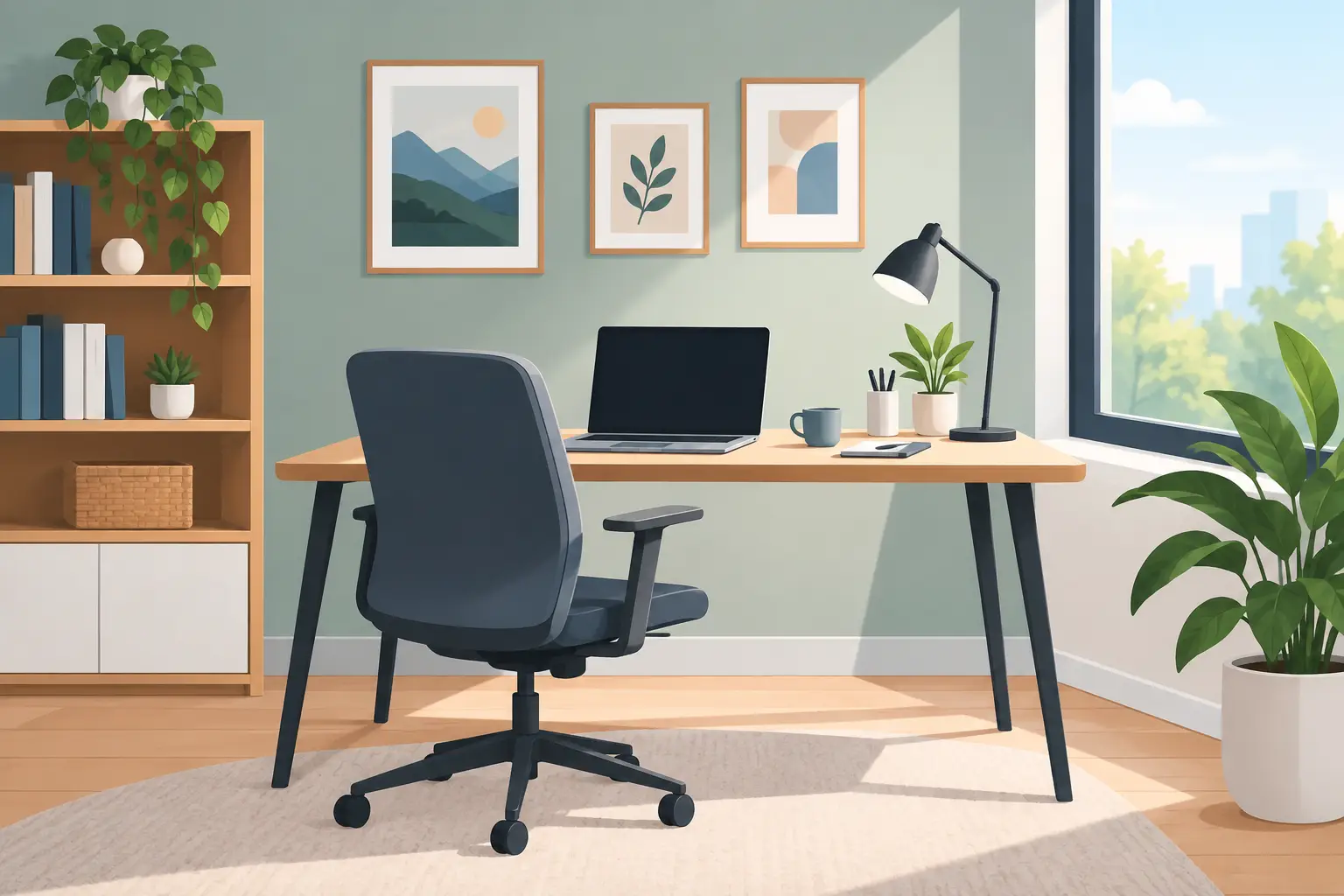
A spare bedroom corner can become the hardest-working spot in the house. It needs to handle video calls, school notices, bills, focused work and the odd coffee break without taking over family life. This home office setup guide will help you choose furniture that feels good to use, suits your available space and looks right alongside the rest of your home.
The best setup is not always the biggest desk or the most expensive chair. It is the combination that supports how you work each day. A compact nook needs different choices from a full study, while a shared family workspace needs more storage and tougher finishes than a rarely used laptop table.
Start with the room, not the furniture
Before browsing desks, measure the area and think about what happens around it. Check where doors swing, how far drawers can open and whether a dining chair or stool needs room to move back. If the office is in a living area, allow enough clear floor space that the room still feels relaxed after work.
Natural light is a bonus, but placing a screen directly in front of or behind a bright window can create glare. Setting the desk side-on to a window usually gives a more comfortable view. In a darker room, plan for a task lamp as well as general overhead lighting. Good lighting makes a smaller workspace feel more welcoming and helps reduce the temptation to work from the sofa.
Also consider the power points early. A desk floating in the middle of the room can look great, but only if cables can be managed safely and neatly. When outlets are limited, a desk against a wall is often the simplest and most practical choice.
Measure these four things first
Write down the wall width, the depth you can spare, the height beneath any window sill, and the distance needed for your chair to slide back. These quick measurements prevent the common disappointment of a desk that technically fits but leaves the room feeling cramped.
For small rooms, a slimline desk can be plenty for a laptop, notebook and lamp. If you use a large monitor, paperwork or multiple screens, choose a deeper desktop so you are not constantly working at the front edge. A wider work surface provides breathing room, but it should not force you to squeeze past the bed or dining table every day.
Choose a desk that matches your workday
A desk should suit the tasks you actually do, not the image of a perfect study. Someone answering emails and paying household accounts may be happy with a compact writing desk. A person working from home several days a week may need drawers, a filing cabinet or a larger workstation with room for a monitor and keyboard.
Straight desks are a reliable choice for most homes because they sit neatly against a wall and are easy to style with other furniture. They work especially well in bedrooms and multipurpose spaces. Corner desks make excellent use of an unused corner and can create two separate zones: one for computer work and one for paperwork or creative projects.
For a more polished look in an open-plan living space, choose a desk with a finish that picks up the tones of your dining table, entertainment unit or bookcase. Timber-look finishes bring warmth, while white or light-coloured desks can keep a compact space feeling open. Black accents and metal frames add a contemporary edge, although they may show dust more readily in busy family homes.
Storage built into the desk is useful, but too many drawers can make a small desk bulky. If you mostly work digitally, a simple desk paired with a separate drawer unit may offer more flexibility. It can move as your needs change, and it gives you a place to tuck away chargers, stationery and paperwork at the end of the day.
Make the chair your comfort priority
A beautiful desk will not make up for a chair that leaves you shifting every half hour. If you spend long periods seated, put a supportive office chair at the top of your list. Look for an adjustable seat height, a supportive backrest and enough room to sit comfortably without feeling perched on the edge.
Your feet should rest flat on the floor or on a footrest, with your knees roughly level with your hips. When you are typing, your shoulders should feel relaxed rather than lifted. Armrests can be helpful, especially during longer work sessions, but they need to slide under the desk or they may stop you sitting close enough to the work surface.
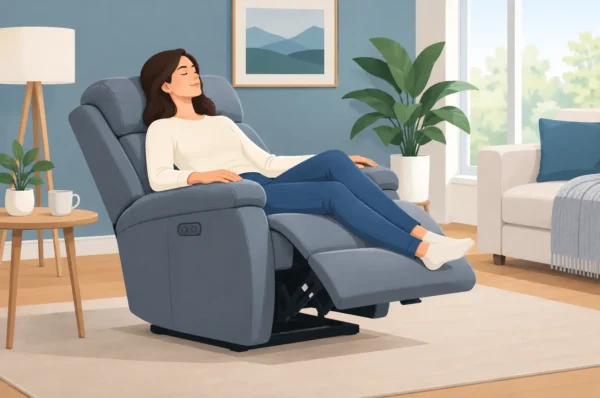
An upholstered occasional chair can suit short bursts of laptop work or a compact bedroom desk. For regular work-from-home days, however, an office chair is generally the better investment. The trade-off is visual: office chairs can look more practical than decorative. Choose one in a neutral fabric, black finish or clean contemporary shape to help it blend with your existing furniture.
If the workspace is shared, an adjustable chair is particularly worthwhile. It can accommodate different household members without everyone having to compromise on comfort.
Build storage that lets the room switch off
Clutter is not just an aesthetic issue. Papers spread across a desk make it harder to begin work, and they make it harder to relax when the workday is done. The aim is not to hide everything away in a cupboard. It is to give everyday items an easy home.
Keep the things you reach for daily close by: a notebook, charging cable, headphones and a pen cup. Store less frequent items in drawers, a filing cabinet or a bookcase. A low storage unit can work well beneath a window, while a tall bookcase makes smart use of vertical space in a tight study.
In a living room office, closed storage is usually the better choice. Doors and drawers quickly conceal work supplies before dinner or guests arrive. In a dedicated study, open shelving can display books, baskets and a few personal pieces, as long as it is not overloaded. Use matching storage boxes to give loose items a calmer, more considered look.
Cable management deserves attention too. A simple cable tray, clips or a storage basket can stop cords from collecting dust underfoot. Keep power boards accessible rather than buried behind furniture, and avoid running cables across walkways where children or pets could catch them.
Add comfort without crowding the desk
Once the main furniture is in place, the room needs a few finishing touches to feel like part of your home rather than a temporary workstation. A rug can define a work zone in an open-plan area and soften hard flooring. Choose a size that allows your chair to roll easily, or place the rug just beyond the chair area if mobility is more important.
A table lamp adds warmer light for early mornings and late afternoons. A plant, framed print or small vase can bring personality to the desk, but keep the centre of the work surface clear. The goal is a space that feels inviting enough to sit down at, not one that needs rearranging before every task.
For renters, freestanding furniture is especially useful. A desk, bookcase and drawer unit can create a complete work zone without drilling into walls or making permanent changes. When it is time to move, those pieces can be reworked in a new room.
Create a setup that works for family life
Not every household has a separate study, and that is completely workable. A desk in the bedroom, lounge room or hallway can still feel purposeful when the furniture is chosen with the room in mind. Select pieces with a finished back if they will be visible from more than one angle, and favour storage that keeps the work zone tidy after hours.
Families may benefit from creating separate places for adult work and children’s homework, even if they are close together. This might mean a main desk for a computer and a smaller writing desk nearby for homework. It reduces the daily scramble for a clear surface and gives everyone a place to concentrate.
For homes around Pakenham, Berwick, Officer and beyond, it is worth seeing how a desk and chair feel together before making a decision where possible. At Carlisle Furniture & Bedding, home office furniture can be paired with storage, rugs and bedroom pieces to create a cohesive room solution that suits your budget and your everyday routine.
A well-planned workspace should support the way you live after the laptop closes. Choose furniture that gives you room to focus, somewhere to put everything away and a comfortable seat waiting for tomorrow.