A recliner can quickly become the most popular seat in the house. It is where you put your feet up after work, settle in for a movie, feed the baby, read on a quiet Sunday, or simply take a moment for yourself. A smart recliner comparison looks beyond the first comfortable sit-down and helps you choose a chair or lounge that suits your room, routine and budget for years to come.
The right choice is not always the biggest recliner or the one with the most features. For some homes, a compact manual recliner is the practical winner. For others, a powered modular lounge with adjustable headrests makes everyday living feel far more comfortable. Start with how your household actually uses the living room, then compare the details that affect comfort, fit and value.
Recliner comparison: chair, sofa or modular?
The first decision is the format. A single recliner chair gives one person a dedicated comfort zone without taking over the room. It is a great option beside a sofa, in a bedroom corner or as part of a cosy reading nook. If you are replacing one worn armchair, it can be an affordable upgrade with a big impact.
A reclining sofa is designed for shared downtime. Usually available in two-seat or three-seat configurations, it lets more than one person recline while keeping the look of a traditional lounge suite. This option works well for couples and smaller families who want comfort without the larger footprint of a sectional.
Reclining modular lounges offer the most flexibility for busy family rooms. They can provide generous seating, chaise sections, corner layouts and reclining end seats, depending on the design. They suit larger open-plan spaces and households that regularly host friends, but they need careful measuring. A modular may look perfect in a showroom yet feel oversized if it narrows your walkways or blocks access to the patio door.
Think about who gets the most use from the seat. A single chair makes sense for a personal retreat. A sofa or modular is usually the better investment when movie nights, weekend sport and family catch-ups all happen in the same room.
Manual or power recliners?
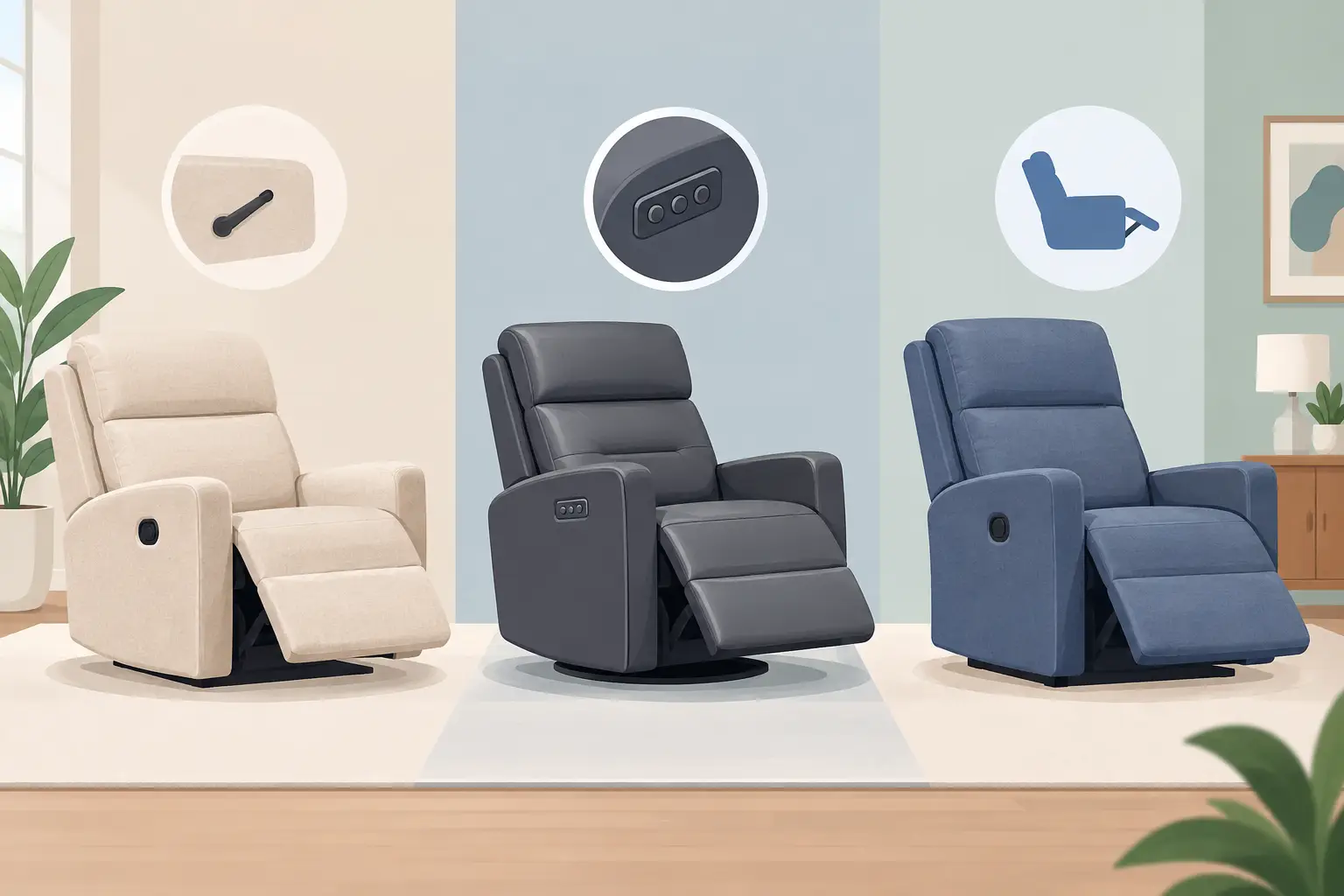
Manual recliners use a side lever, handle or body weight to release the footrest and recline the back. They are straightforward, reliable and often more budget-friendly. They also do not need to sit near a power point, which gives you more freedom when arranging the room.
Powered recliners use buttons to move the footrest and backrest gradually. That control is especially appealing if you like to fine-tune your position rather than choose between upright and fully reclined. Power models can be a more comfortable option for people with limited mobility, as there is no need to push back firmly or operate a lever. Some designs also include power headrests, lumbar adjustment, USB charging and lift assistance.
The trade-off is planning. A powered recliner needs access to electricity, and you will want to consider where cords sit so they are neat and out of the way. If your home has young children or energetic pets, check that the power connection and controls will be practical in your chosen position. Extra technology can add to the price, but it may be worth it if the lounge is your main place to relax every day.
Choose the motion that feels natural
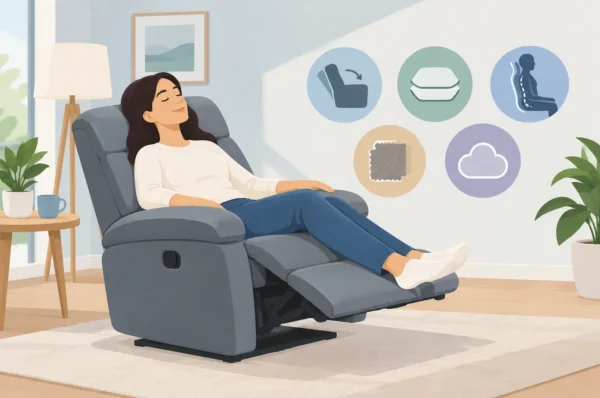
Do not judge reclining comfort from a quick sit. Sit back properly, raise the footrest and notice whether your lower back feels supported. Your feet should not hang awkwardly over the edge, and the headrest should support your neck without pushing your head forward.
A wall-hugger recliner is worth considering in a tighter room. Its mechanism is designed to recline while positioned closer to the wall than a standard recliner. That can make a real difference in a townhouse, apartment or compact lounge room. Still, check the product dimensions and allow the stated clearance behind and in front of the chair. Every mechanism needs room to move.
Fabric, leather-look and leather: what suits your home?
Upholstery changes both the appearance and the day-to-day care of a recliner. Fabric recliners are warm, inviting and available in a wide variety of colours and textures. A neutral charcoal, oatmeal or taupe can blend easily with changing rugs and cushions, while a deeper navy or forest green brings more personality to a living space.
For family homes, look for a fabric that feels durable and is suited to regular use. Textured weaves can be forgiving of everyday life, although they still need prompt attention when spills happen. Consider how the colour will look with pet hair, school bags, snacks and the general wear that comes with a well-used lounge room.
Leather-look upholstery can deliver a clean, contemporary finish at an accessible price. It is generally easy to wipe down, which appeals to households with children. Genuine leather offers a premium feel and develops character over time, but it requires appropriate care and can cost more upfront. Neither is automatically better. The best material is the one that matches your comfort preference, maintenance habits and budget.
If possible, see upholstery samples in your home’s natural light. The warm lighting in a showroom can make a shade appear different from how it will look beside your flooring, curtains and wall colour.
Measure more than the available floor space
Before choosing a recliner, measure the room, the spot where it will sit and the route it needs to travel to get there. This includes your front door, hallway, stairwell and any tight turns. A generous reclining lounge is no help if delivery access becomes difficult.
Leave enough room for people to walk comfortably around the furniture when the recliner is closed. Then consider its fully extended position. In a family room, it is wise to keep the main path to the kitchen, hallway or backyard clear, even when someone has their feet up.
Pay attention to seat height and depth as well. A deeper, softer seat can feel luxurious for a taller person, while a more supportive seat with a slightly higher profile may be easier for others to get in and out of. Couples often have different comfort preferences, which is one reason to try several styles rather than assuming a matching lounge suite will suit everyone.
A quick showroom test that pays off
When comparing options in person, spend a few minutes in each recliner rather than moving quickly from one to the next. Check these four details:
- whether your back is supported from your lower spine through to your shoulders
- whether the footrest feels secure and supports your legs comfortably
- whether the reclining controls are easy for you to operate
- whether the arm height is comfortable for relaxing, reading or using a mobile.
It is also worth sitting as you would at home. Lean back, rest your arms and imagine watching a full film, not just trying a chair for thirty seconds. Comfort is personal, and the recliner that feels best to one person may not suit another.
Features worth paying for – and features to question
Useful extras depend on your routine. USB charging can be handy if your favourite seat is where you use your mobile or tablet. Adjustable headrests are valuable for taller users and for anyone who enjoys watching television while reclined. Built-in storage consoles and cup holders can be practical in a media room, though they are less essential in a formal lounge.
A lift recliner is a specialised option that gently assists the user from a reclined or seated position to standing. It can support independence and comfort for older Australians or anyone recovering from injury, but the size, mechanism and power requirements should be considered carefully.
Be cautious about paying for every available add-on just because it is there. A well-built, comfortable recliner with the right dimensions will usually deliver more satisfaction than a feature-packed model that does not fit your body or room. Put your budget towards the features you will genuinely use several times a week.
Matching your recliner to the rest of the room
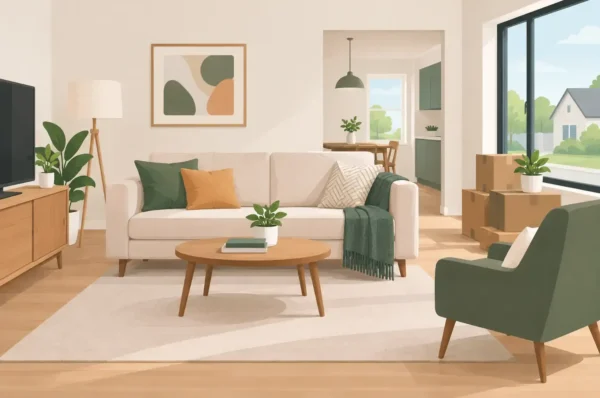
A recliner does not need to look bulky or isolated. Modern designs can feel streamlined, with tailored arms, slim profiles and versatile upholstery that sits comfortably alongside contemporary sofas, timber entertainment units and soft furnishings. If you are furnishing a whole room, begin with the lounge as the anchor, then choose a coffee table, rug and lighting that leave enough space for reclining movement.
For a coordinated look, choose colours that relate rather than match perfectly. A grey fabric recliner can work beautifully with a timber coffee table, cream rug and cushions in muted green or rust. In a busy family room, darker tones can provide a practical base, while lighter accessories keep the space feeling open.
Carlisle Furniture & Bedding shoppers can also benefit from considering the room as a complete comfort zone rather than buying a recliner in isolation. When the seating, storage and occasional furniture work together, the result is easier to live in and more inviting for everyone.
Find comfort that works for everyday life
The best recliner is the one you will be happy to come home to. Measure carefully, test the mechanism, choose a material that suits your household and be honest about how much space you have. Once those practical details are right, you can choose the style and features that make your living room feel like the comfortable sanctuary it should be.