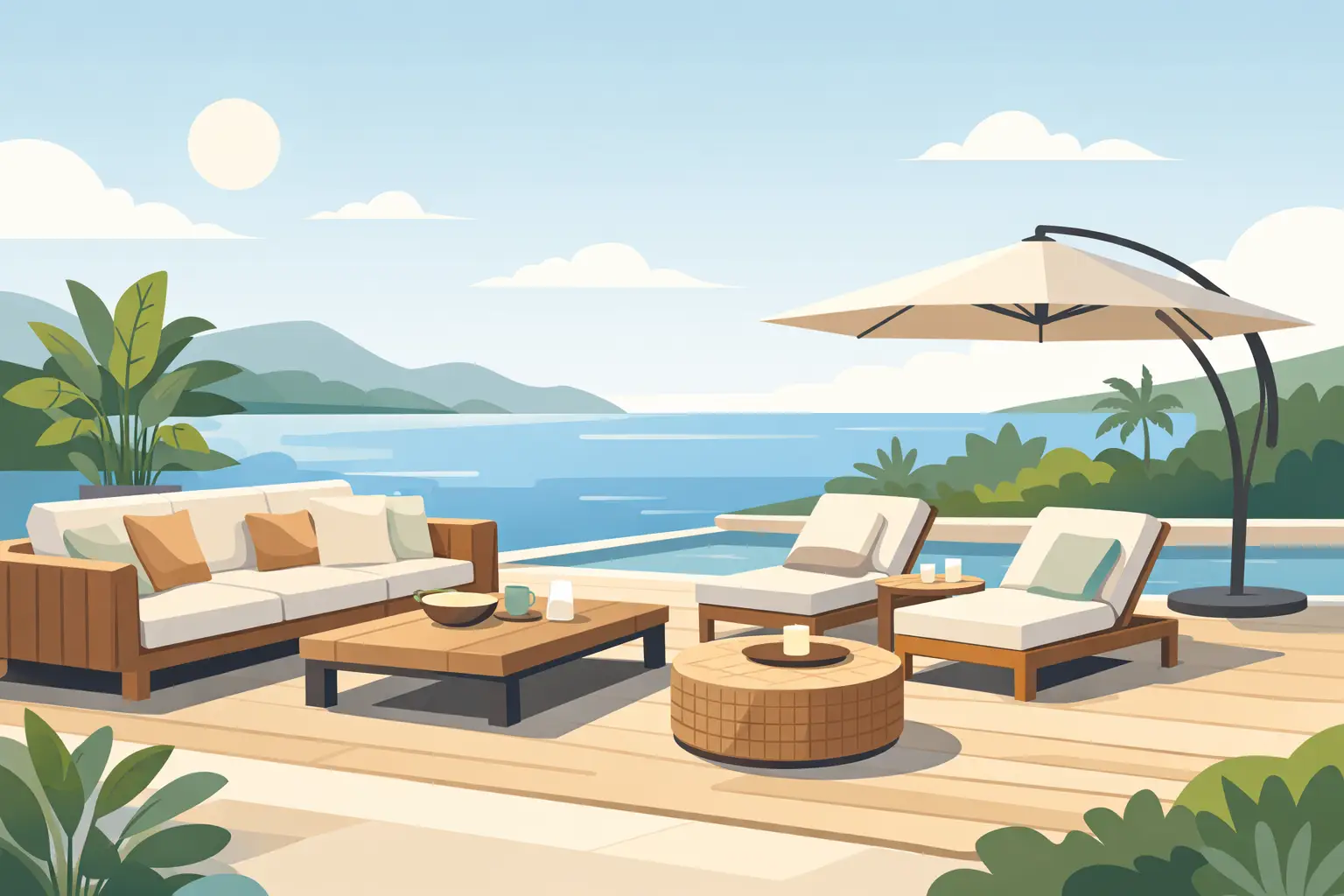
A sunny Saturday afternoon, a barbecue underway and nowhere comfortable to sit is usually when an outdoor area starts to feel unfinished. The right outdoor lounge furniture Australian homes need can turn a bare deck, courtyard or balcony into the place everyone naturally gathers – for morning coffee, family lunches and relaxed evenings under the stars.
Choosing well is about more than finding a setting that looks good in the showroom or online. Australian weather, available space, household routines and the number of people you regularly host all matter. A lounge that suits your home should feel inviting, fit comfortably and stand up to real everyday use without stretching the furnishing budget.
Start with how your outdoor area will be used
Before comparing colours or cushion styles, think about what you want the space to do. A compact apartment balcony may need a two-seat lounge with a small coffee table, leaving enough room to move around. A larger alfresco zone can accommodate a generous modular lounge where family and friends can settle in for hours.
If your outdoor area is part of your entertaining space, consider seating for the people who live in the home as well as a few extra guests. An L-shaped or modular setting is often a smart choice for families because it creates plenty of connected seating without filling the area with separate chairs. For quieter households, a simple sofa-and-coffee-table arrangement can create a calm little retreat without overfurnishing the space.
It also pays to consider proximity to the kitchen, barbecue and garden. Furniture near a pool or barbecue will need to cope with more spills, wet swimmers and frequent movement. A covered patio offers greater flexibility with cushions and timber-look finishes, while a fully exposed deck calls for materials designed to handle stronger sun and rain.
Measure first, then choose outdoor lounge furniture
Outdoor furniture can look smaller in a large showroom and larger than expected once it arrives at home. Measure the full area, then map out the setting with masking tape or newspaper before you buy. This gives you a practical sense of the lounge footprint, coffee table placement and walking room.
Allow enough clearance to pull out a chair, carry food from the kitchen or move around a seated guest. On a balcony, check door openings and access points too. A beautiful corner lounge is not much help if it cannot fit through the apartment entry, lift or side gate.
Think about visual space as well as floor space. Low-profile lounges can make a smaller courtyard feel more open, while a taller-backed outdoor sofa may offer extra comfort in a big entertaining area. If you have an awkward corner, modular pieces give you the freedom to shape the layout around the space rather than forcing the space to suit the furniture.
Choose a layout that suits real life
A conversation-style layout works best when seats face one another around a coffee table or fire pit. It makes casual chats easier and gives everyone a place to put a drink or snack. If the view is the hero – perhaps a garden, pool or open landscape – positioning a lounge towards it can make the area feel more restful.
For growing families, avoid layouts with tight gaps and fragile side tables in high-traffic paths. A broader coffee table, a stable occasional table and lounge pieces with easy-clean surfaces usually make more sense. Furniture should support relaxed living, not add another thing to worry about when the kids are outside.
Materials matter in Australian conditions
There is no single best outdoor material for every home. The right choice depends on whether your furniture will sit beneath cover, how much maintenance you are comfortable with and the look you want to create.
Aluminium frames are a popular option because they are lightweight, resistant to rust and easy to move when you are cleaning or rearranging. They suit contemporary spaces especially well and tend to be a practical choice for exposed patios. Powder-coated finishes add protection, though it is still worth wiping the frame down and checking for scratches over time.
Wicker-look resin furniture brings a relaxed, resort-inspired feel and is usually easier to care for than natural wicker. Look for quality weaving over a strong frame, particularly if the setting will be used often. Timber adds warmth and works beautifully with established gardens, but it needs more attention. Depending on the timber and finish, it may require regular oiling or protective treatment to maintain its appearance.
Steel can offer a clean, sturdy look at an accessible price, but it needs appropriate weather protection to prevent corrosion. Plastic options can be light, affordable and easy to wipe down, particularly for balconies or occasional-use areas. The trade-off is that cheaper plastics can fade or become brittle after long periods in direct sun.
Cushions deserve close attention
Cushions make outdoor lounges feel like an extension of the living room, so comfort matters. Check the thickness and density of the foam, the quality of the stitching and whether the covers can be removed for cleaning. Outdoor-rated fabrics are designed to cope better with sun exposure and everyday mess, but no fabric is completely maintenance-free.
Neutral cushions in charcoal, taupe, sand or grey are versatile choices that work across changing seasons and decorating styles. You can bring in personality with outdoor throws and colourful cushions, then switch them out when you want a fresh look. If your area receives harsh afternoon sun, darker fabrics may feel warmer and can show fading sooner than lighter, UV-resistant alternatives.
Match the style to your home, not just a trend
The best outdoor settings create a natural connection between indoors and out. If your living room has soft neutral tones and timber accents, carry a similar palette onto the deck with a timber-look lounge, woven textures and earthy cushions. For a modern home, streamlined aluminium frames and clean-lined modular seating can provide a polished, uncluttered finish.
You do not need every item to match exactly. In fact, a space often feels more welcoming when materials are balanced rather than identical. A contemporary lounge can sit comfortably beside a timber coffee table, while a simple outdoor rug can help define the seating zone and add softness underfoot.
Keep scale in mind. Oversized modulars can make a narrow patio feel crowded, while a tiny bistro setting may look lost beside a large family home. Aim for a layout that feels generous but leaves room for airflow, greenery and movement.
Make your budget work harder
A lower price is appealing, but value comes from choosing pieces that suit your space and last through regular use. Start with the core setting: the main lounge and coffee table. Once those are in place, add side tables, an outdoor rug, umbrellas or decorative pieces over time.
Consider how often the furniture will be used. A high-use alfresco lounge benefits from stronger frames, supportive cushions and durable fabrics. For a small balcony used mainly on weekends, a simpler setting may be all you need. This approach helps you put more of your budget into the features that will make a genuine difference.
At Carlisle Furniture & Bedding, outdoor furniture can be considered alongside lounges, dining, bedroom and living pieces, making it easier to create a cohesive home without shopping room by room at random. Delivery options and flexible payment choices can also help when you are furnishing a new place or planning a larger home refresh.
Simple care keeps your lounge looking inviting
A little routine care can significantly extend the life of outdoor furniture. Brush away leaves and dust, wipe frames with mild soapy water and clean spills before they settle into cushion covers. Avoid harsh cleaners unless the product care instructions specifically recommend them.
When prolonged rain, extreme heat or a long holiday is forecast, store cushions indoors where possible. Quality furniture covers are useful for exposed settings, but make sure furniture is clean and dry before covering it. Trapped moisture can lead to mould, particularly during damp Victorian weather.
Check bolts, feet and frame joins a few times each year, especially after moving the setting. For timber pieces, follow the recommended treatment schedule. These small habits protect both the finish and the comfort of the furniture you chose.
Your outdoor area does not need to be enormous to feel special. Choose a lounge that fits the way your household relaxes, leave room to move, and select materials that make sense for your local conditions. Then add the simple details that invite people to stay a little longer – a cold drink on the table, soft cushions in the corner and a comfortable seat waiting outside.