You may not notice a mattress wearing out all at once. It often starts with waking up stiff, shifting around to find a comfortable spot, or realising you sleep better in the spare room than in your own bed. If you are wondering when you should replace a mattress, the answer is usually found in its condition, your sleep quality and the support it still provides – not its age alone.
For a bed that is used every night, replacing a mattress is a practical investment in comfort, recovery and the feeling of having a genuine sanctuary at home. Here is how to tell whether it is time for an upgrade and what to consider before choosing your next mattress.
When Should You Replace Your Mattress?
Most mattresses last around seven to 10 years, although the right timing can vary. A well-made mattress with proper care may remain comfortable for longer, while a cheaper or heavily used mattress can lose support much sooner. Your body, sleep position, household needs and the quality of the bed base all play a part.
The clearest sign is simple: your mattress no longer helps you wake up feeling rested. If it is causing discomfort, has visible wear or no longer suits your needs, replacing it can make a noticeable difference to everyday life.
You wake up sore or tired more often
Occasional aches can happen after a long day, a tough gym session or an awkward sleeping position. But if you regularly wake with lower-back pain, stiff shoulders, sore hips or a tight neck that eases once you are up and moving, your mattress may not be supporting you properly.
A worn mattress can allow your hips or shoulders to sink too deeply, putting your spine out of its natural alignment. This is especially common when foam has softened unevenly or when springs have lost their tension. Before blaming the mattress completely, consider your pillow and sleeping habits too. Still, consistent morning discomfort is a strong reason to assess the bed beneath you.
There are sags, lumps or noisy springs
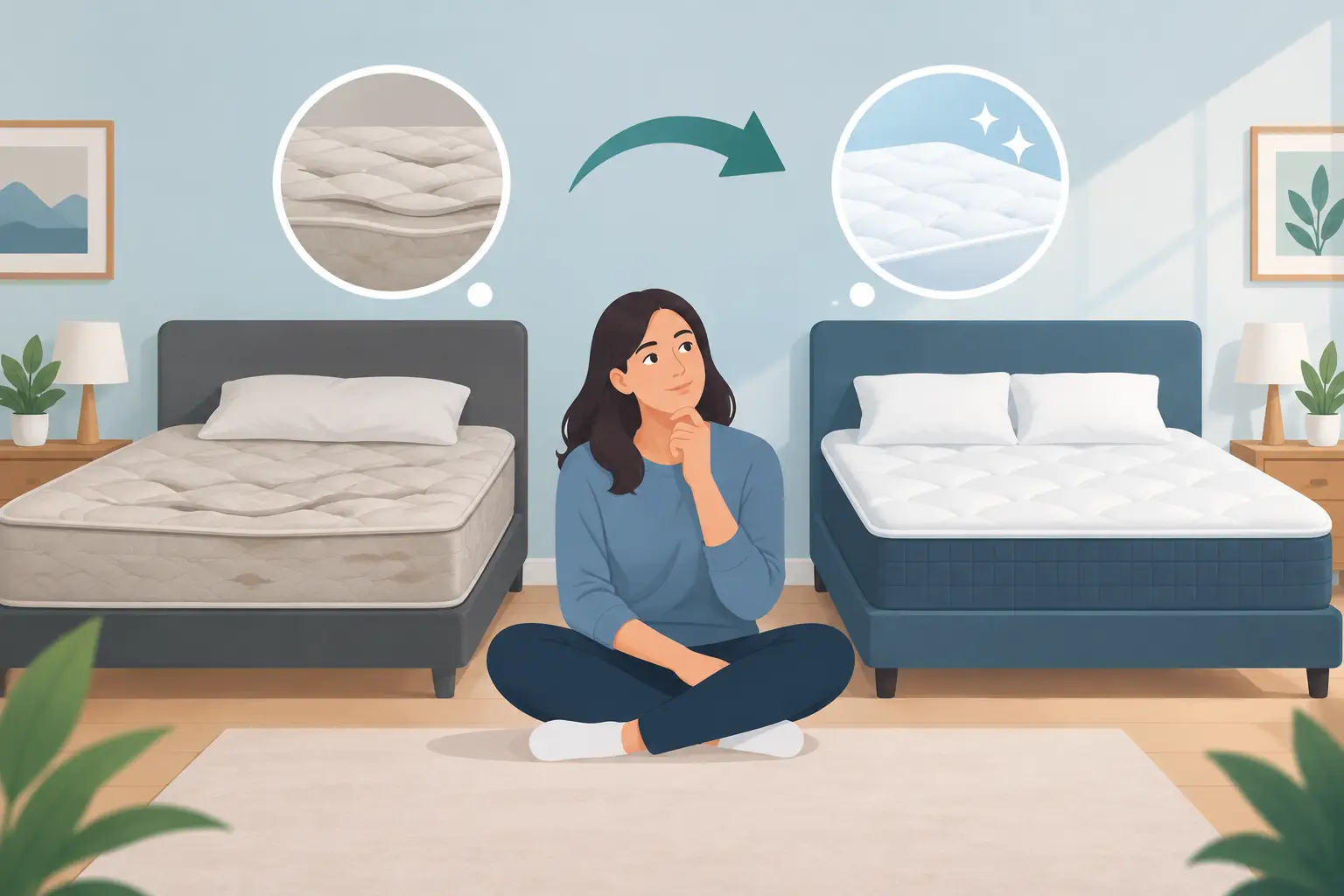
Take the sheets off and look closely at your mattress. Visible dipping, lumps, torn fabric, bulging edges or springs you can feel through the surface are all signs that its structure is breaking down. A slight body impression can be normal in some plush mattresses, but a deep indentation that affects how you lie is different.
Noise matters as well. Creaking may come from the bed frame or base rather than the mattress, so check both before shopping. If the mattress itself feels uneven, unstable or noticeably softer in the centre, it is unlikely to improve with time.
You sleep better somewhere else
This is one of the most useful real-life tests. If you sleep soundly at a hotel, at a family member’s house or on the guest bed but toss and turn at home, your mattress may be part of the issue.
It does not necessarily mean you need the exact same type of bed you slept on elsewhere. Hotel mattresses can feel different because of mattress toppers, quality pillows and crisp bedding. However, the contrast can reveal that your current mattress is no longer giving you the comfort or support you need.
Your mattress looks or smells worn
Mattresses collect sweat, body oils, dust and allergens over years of use. A protector and regular airing can help, but they cannot reverse years of deep-set staining, persistent odours or allergy symptoms. If you have tried cleaning the mattress and the issue remains, a replacement may be the healthier and more comfortable choice.
This is particularly worth considering for homes with children, pets or anyone who experiences allergies. A fresh mattress, paired with a quality protector from day one, gives your bedroom a cleaner reset.
How Long Different Mattress Types Usually Last
Mattress lifespan is a guide, not a deadline. Comfort changes gradually, and a mattress should be replaced based on how it performs for you. That said, knowing what is typical can help you plan a bedroom upgrade rather than waiting until poor sleep forces the decision.
Innerspring and pocket spring mattresses
Traditional innerspring mattresses often last about six to eight years, depending on spring quality, comfort layers and use. Pocket spring mattresses may last around seven to 10 years and are a popular choice for couples because each spring moves more independently, which can reduce partner disturbance.
If you can feel springs, notice a sagging middle or find the edges collapsing when you sit down, the support system may be nearing the end of its useful life.
Memory foam and foam mattresses
A good foam mattress can last seven to 10 years. Higher-density foams tend to hold their shape better, while lower-density foams can develop soft areas more quickly. Foam can be an excellent option for pressure relief, especially for side sleepers, but it is important to choose a feel that does not let you sink too far through the support layer.
Heat can also be a consideration. Many modern foam mattresses include breathable covers or cooling features, but people who sleep particularly warm may prefer the airflow of a spring or hybrid design.
Latex and hybrid mattresses
Latex mattresses are often among the longer-lasting options and may perform well for eight to 12 years or more with suitable care. They can offer a responsive feel, pressure relief and good durability, although they are often heavier to move and can sit at a higher price point.
Hybrid mattresses combine springs with foam, latex or other comfort layers. They can offer a balance of cushioning, airflow and support, but their lifespan depends on the materials used in both the top layers and the spring system. As with any mattress, the best choice is the one that feels supportive for your body and works within your budget.
Signs It Is Time to Change More Than the Mattress
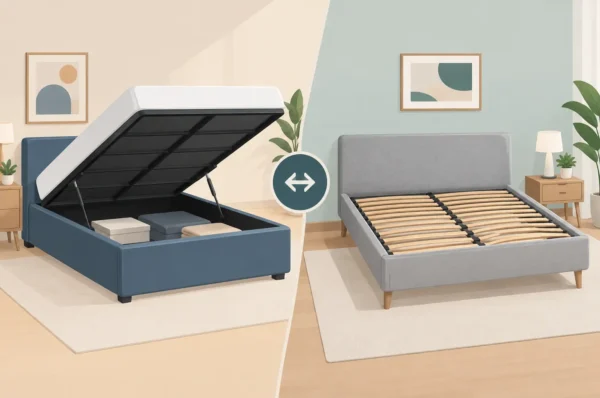
Sometimes a new mattress alone will not fix the problem. An unsupportive base, bowed slats or a damaged frame can shorten the life of even a quality mattress. Check that your bed base is level, stable and compatible with the mattress you are considering.
Your pillow may also need attention. A mattress can keep your body aligned, but a pillow supports your head and neck. If your new mattress feels firmer or softer than the old one, your existing pillow may no longer be the right height. Reassessing both together is a sensible way to create a more comfortable sleep setup.
Life changes can be another reason to replace a mattress before it is fully worn out. Moving into a new home, sharing a bed for the first time, pregnancy, a change in body weight or ongoing mobility needs can all alter the level of support and space that feels right. A queen may be ideal for many couples, while a king can offer valuable room for families with young children or pets who occasionally join the bed.
How to Choose a Replacement Mattress With Confidence
Start with how you sleep, rather than choosing based on a label such as soft, medium or firm. These descriptions are useful, but feel is personal. Your body weight, preferred sleeping position and existing aches all influence what will be comfortable.
Side sleepers often appreciate more cushioning around the shoulders and hips, while back sleepers commonly need balanced support that prevents the lower back from dipping. Stomach sleepers may prefer a firmer surface to help keep the hips from sinking. Combination sleepers can benefit from a responsive mattress that makes changing position easier.
If you share a bed, talk through your priorities before buying. One person may want a plush feel while the other needs firmer support. A pocket spring or hybrid design can be a practical middle ground, with reduced motion transfer and a more adaptable feel. Size is another worthwhile upgrade when space allows. Extra room can improve comfort without requiring a major change to the overall bedroom style.
When possible, spend time testing a mattress in person. Lie in your usual sleeping position for more than a few seconds, paying attention to your shoulders, hips and lower back. You should feel supported, not perched on top of the bed or swallowed by it. For online shoppers, read the product details carefully, including mattress height, materials and the type of base recommended.
Make Your New Mattress Last Longer
A few simple habits can protect your investment. Use a breathable mattress protector, rotate the mattress if the manufacturer recommends it, and keep it on a strong, compatible base. Vacuuming the surface occasionally and airing the room can also help maintain a fresher sleep environment.
Avoid jumping on the bed, particularly around the edges, as this can damage springs and compromise the structure. If you are moving house, carry the mattress carefully and avoid folding it unless the manufacturer confirms it is designed to be compressed or bent.
A new mattress is not just another item on the bedroom checklist. It is where you rest, recover and begin each day. When your current bed no longer delivers the comfort and support your household needs, choosing a mattress that suits your sleep style can make your room feel like the sanctuary it should be.