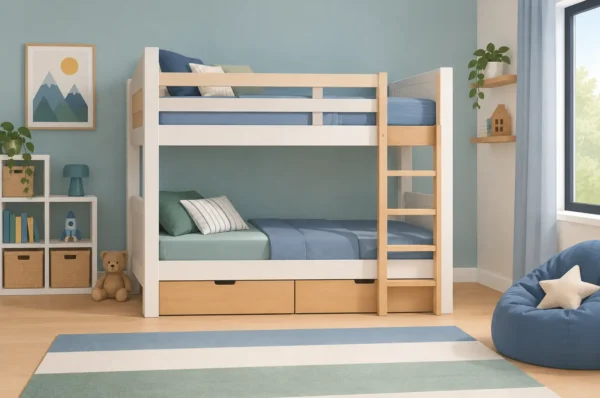
The bedroom is where the day starts, ends and occasionally gets paused with a quiet cup of tea. Learning how to style a master bedroom is less about copying a showroom look and more about creating a space that feels comfortable, organised and genuinely suited to your routine. The best rooms balance a bed you want to sink into, furniture that works hard, and enough personality to make the space feel like yours.
Start with the Bed as Your Main Feature
In most master bedrooms, the bed takes up the greatest visual and physical space. Choose it first, then allow its scale, colour and style to guide the rest of the room. A king bed can feel wonderfully generous in a larger room, while a queen bed often gives couples the comfort they need without leaving the room crowded.
An upholstered bedhead immediately brings softness and a sense of comfort, particularly in neutral linen-look fabrics, warm grey or charcoal tones. Timber bed frames offer a more relaxed, natural feel and work especially well in Australian homes with warm floors, soft whites and plenty of daylight. If you prefer a polished look, a taller bedhead can create a strong focal point behind the pillows.
Before committing, measure the room and leave clear walkways around the bed where possible. You need enough space to open drawers, make the bed and move around comfortably. A beautiful king bed is not the right choice if it turns the bedroom into an obstacle course.
Build a Calm Colour Palette
A master bedroom should feel restful first and fashionable second. That does not mean every room has to be beige, but it does mean choosing colours that help the space settle rather than compete for attention.
Start with two or three main tones. Soft white, oatmeal, sand, stone, warm grey and muted green are easy foundations because they pair well with different furniture finishes over time. Darker shades such as navy, olive, chocolate or charcoal can look sophisticated too, especially when balanced with lighter bedding, rugs and walls.
If your bedroom furniture is timber, consider warm neutrals, clay pinks, sage greens or creamy whites. For white or light-coloured furniture, introduce texture through linen bedding, a woven rug and timber accents so the room does not feel flat. Black furniture works well with warmer tones and soft fabrics that prevent it from looking too stark.
A simple rule helps here: keep larger purchases fairly timeless, then use cushions, throws, artwork and decorative pieces to bring in seasonal colour. It is far easier and more affordable to refresh a quilt cover than replace a bed frame.
Match, Don’t Over-Match
Bedroom suites can make furnishing easier and create a cohesive result, particularly when you are setting up a new home. However, a room does not need every piece to be identical. A timber bed with painted bedside tables, or an upholstered bedhead with timber drawers, can feel more collected and personal.
The key is repetition. Repeat one finish, colour or shape elsewhere in the room. For example, pair black bedside lamp bases with a black-framed mirror, or connect timber bedside tables to a timber bench at the end of the bed.
Layer Bedding for Everyday Comfort
A neatly made bed gives a master bedroom its finished look, but it should still be practical on a busy weekday morning. Start with sheets you enjoy sleeping in, followed by a quilt or doona that suits the season. Add a quilt cover in a calm base colour, then finish with a throw folded across the lower third of the bed.
Pillows create the cosy, layered look people often want, but there is no need to turn the bed into a display you have to dismantle every night. Two sleeping pillows per person, plus two European pillows or decorative cushions, is usually enough for a full and inviting result. If you have a smaller bed or prefer a cleaner style, keep the arrangement simpler.
Texture is what gives neutral bedding depth. Mix crisp cotton with a knitted throw, linen-look cushions or a velvet accent cushion. In cooler Victorian months, a heavier throw or coverlet adds warmth without needing to overhaul the whole room. During summer, swap it for a lightweight cotton layer in a softer shade.
Choose Bedside Tables That Work for You
Bedside tables are small, but they have a big impact on how organised the room feels. Ideally, the tabletop should sit close to mattress height, making it easy to reach a lamp, book, water glass or mobile. A table that is too low or high can look awkward and becomes frustrating to use.
Consider how you live. Open-style bedside tables create an airy appearance but show everything you store on them. Drawer bedside tables are a better choice if you want to hide charging cables, hand cream, reading glasses and the small clutter that naturally collects beside the bed.
Matching bedside tables bring symmetry, which suits a classic or hotel-inspired bedroom. Mixing them can work in an eclectic room, but keep their proportions similar so the bed still feels centred and balanced. Add matching lamps if you want a quick way to make even a simple setup look intentional.
Add Storage Before Adding Decoration
A stylish bedroom quickly loses its appeal when clothes, laundry and miscellaneous items have nowhere to go. Storage should be planned as part of the room, not added as an afterthought.
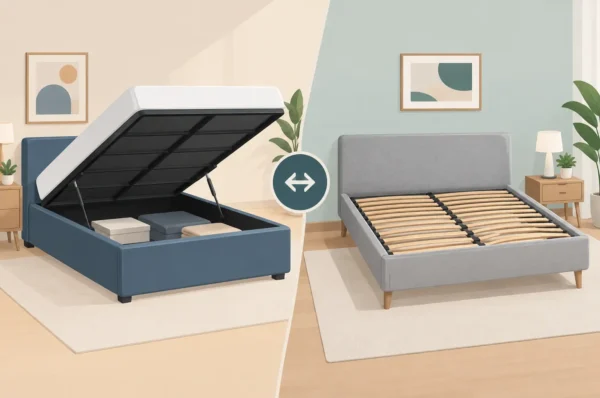
A tallboy is useful in rooms where floor space is limited, while a wider lowboy can double as a surface for a mirror, jewellery tray or framed photos. Storage beds are worth considering for apartments, smaller homes or anyone who needs space for spare linen, seasonal bedding or extra blankets. A blanket box or upholstered bench at the end of the bed also provides a handy place to sit while getting dressed.
If the room feels tight, avoid filling every blank wall with furniture. Choose one well-sized chest of drawers rather than several smaller pieces that make the room look busy. The goal is to make daily life easier, not to fit in every possible item.
Use Rugs, Lighting and Curtains to Soften the Room
Hard flooring can make a bedroom feel echoey and less inviting. A large rug placed under the bottom two-thirds of the bed brings warmth underfoot and visually anchors the furniture. It should extend beyond each side of the bed enough that you step onto softness in the morning. If a large rug is not practical, matching runners beside each side of the bed are a good alternative.
Lighting deserves more attention than a single overhead fitting. Bedside lamps create a gentle glow for reading and winding down, while a floor lamp can fill an empty corner without adding another bulky furniture piece. Choose warm globes rather than harsh cool white light to keep the room relaxed in the evening.
Curtains make a noticeable difference to both comfort and style. Blockout curtains help with early sun, street lighting and sleep-ins, while sheers soften daylight and provide privacy during the day. In a room with high ceilings, hang curtains closer to the ceiling rather than directly above the window frame to create a taller, more considered look.
Make Room for Real Life
The most successful master bedrooms look polished because the layout supports the people who use them. A family home may need a clear corner for a cot or feeding chair. A couple working from home might need a compact desk, though it is worth keeping work materials contained so the bedroom still feels like a retreat at night.
If you have the room, an occasional chair, bench or small ottoman gives you somewhere to put on shoes or lay out tomorrow’s outfit. Keep it useful, not merely decorative. In compact bedrooms, a wall mirror and good lighting may be more valuable than trying to force in a chair.
At Carlisle Furniture & Bedding, complete bedroom ranges can make it easier to coordinate a bed, bedside tables and storage without the stress of hunting for every piece separately. You can then personalise the space with bedding, lighting and accessories that suit your home and budget.
Finish with a Few Personal Details
Once the practical furniture is in place, edit rather than fill. A large artwork above the bed, a framed photo on the drawers, a small tray for jewellery and a plant or vase can be enough. Too many small decorations create visual clutter, which is rarely what you want in a place designed for rest.
Choose pieces that have meaning or serve a purpose. A favourite print can bring colour into a neutral scheme, while a beautiful candle or textured vase adds a little luxury without demanding a complete restyle. Keep bedside surfaces mostly clear so the room feels calm even on the busiest weeks.
Give yourself permission to build the room gradually. Start with a comfortable bed and the storage you need, then add the layers that make you happy to close the door, switch off the light and call it your own.