A lounge has to earn its place in the home. It is where the family piles in for movie night, where visitors settle in with a cuppa, and where a quiet afternoon can feel properly restful. The best affordable lounge styles make those everyday moments feel more comfortable without asking you to compromise on the look of your living room.
Choosing well is less about chasing the biggest sofa or the latest trend. It is about finding a shape, fabric and layout that suits your household, your room size and the way you actually live. From roomy modulars to compact sofa beds, there are plenty of ways to create a welcoming lounge room on a realistic budget.
Affordable lounge styles that work for real life
The most practical lounge is rarely the same for every household. A growing family may need generous seating and hard-wearing upholstery, while an apartment dweller may be looking for a slim profile that leaves room to move. Start with the job your new lounge needs to do, then choose the style that supports it.
Modular lounges for flexible family spaces
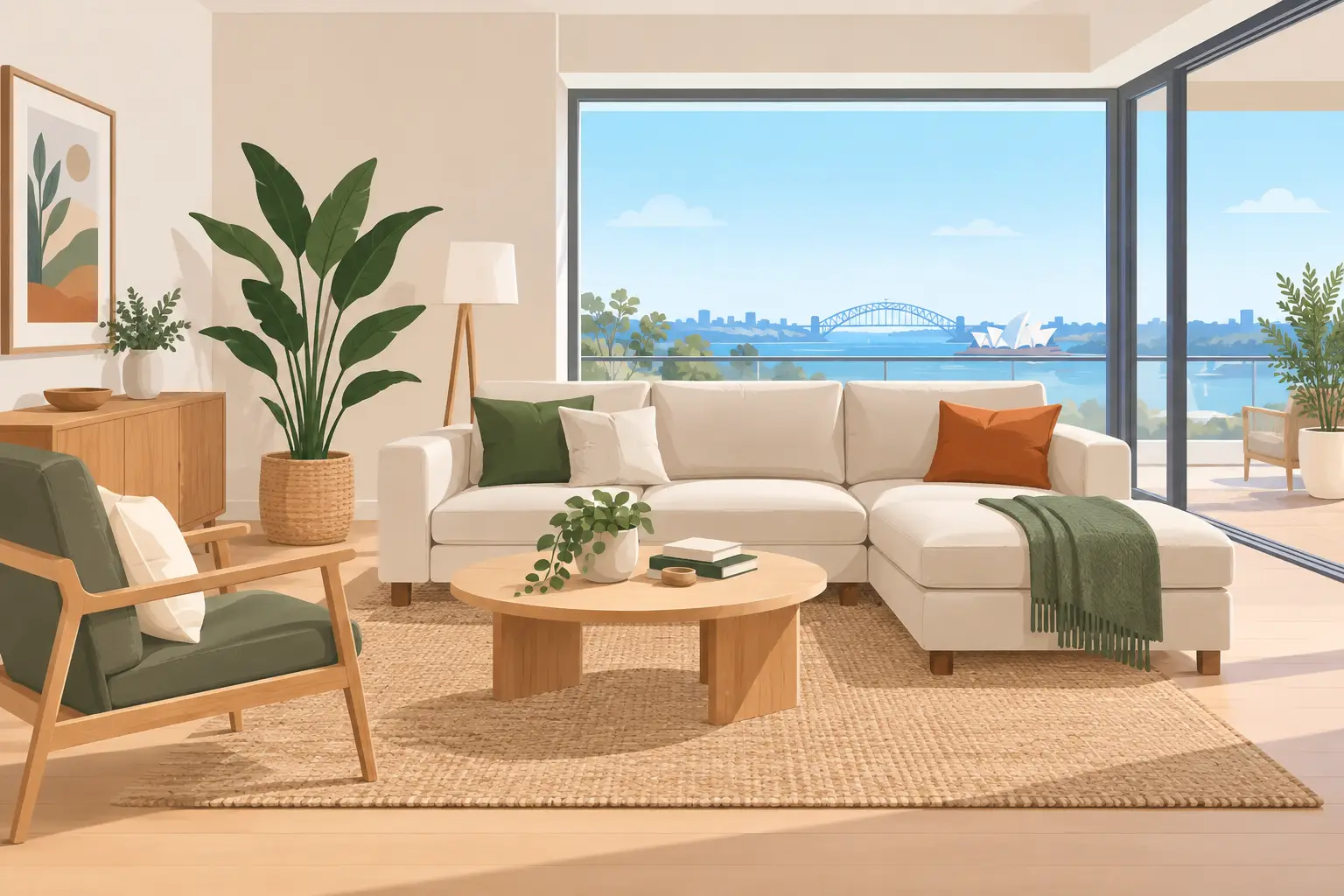
A modular lounge is a smart choice when comfort is the priority. Its separate sections create a relaxed, generous look and often include a chaise, giving everyone a spot to stretch out. This style works particularly well in open-plan homes where the lounge helps define the living zone.
Modulars can look expensive, but a well-designed affordable option can deliver the same relaxed, contemporary feel. Choose a configuration that fits the room rather than filling every available wall. Leaving a clear path around the lounge makes the space feel calmer and easier to use, especially when kids, pets and guests are part of daily life.
A chaise placed on the wrong side can interrupt foot traffic, so check where doorways, windows and walkways sit before ordering. If your layout may change later, a reversible chaise or flexible modular arrangement gives you more freedom.
L-shaped lounges for open-plan living
An L-shaped lounge offers plenty of seats without needing several separate pieces. It is ideal for creating a natural conversation area and can make a large room feel more inviting. In a smaller home, placing the back of the lounge towards the dining area can create useful separation between spaces without building a wall.
For a lighter look, choose raised legs and a lower back. For maximum comfort, deeper seats and padded arms are worth considering. Neither is automatically better – it depends on whether your lounge room needs to feel open and airy or serve as the household’s main place to unwind.
Compact two and three-seater sofas
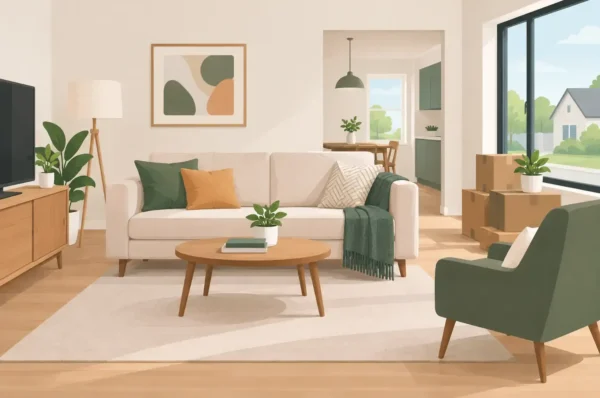
A streamlined two or three-seater sofa is one of the most versatile affordable lounge styles for renters, first homes and smaller living rooms. It is easier to position than a large sectional, and it leaves space for an occasional chair, side table or storage unit.
A two-seater can be especially effective when paired with one or two accent chairs. This arrangement avoids the heavy appearance of an oversized sofa while still giving guests a comfortable place to sit. Choose chairs with a similar leg finish, fabric texture or colour family so the room feels considered rather than mismatched.
Sofa beds for guest-ready homes
When a spare bedroom is not an option, a sofa bed can make your lounge room work harder. Modern designs are far more stylish than the bulky fold-out sofas many people remember, with clean lines and practical mechanisms suited to occasional overnight guests.
The trade-off is that sofa bed mattresses and seat cushions can feel different to those on a dedicated sofa. If guests stay often, prioritise an easy-open mechanism and a supportive mattress. If it will only be used a few times a year, focus on a design you will enjoy sitting on every day.
Pick a size before you fall for a style
A lounge can look perfectly proportioned in a showroom or online image and still overwhelm your room at home. Before browsing, measure the wall, the floor area and the pathways around the furniture. Marking the lounge footprint with painter’s tape is a simple way to see how much room will remain for walking, coffee tables and doors.
Allow enough clearance to move comfortably around the room. As a general guide, leave about 75 to 90 cm for main walkways where possible. A coffee table should sit close enough to reach from the sofa, but far enough away to avoid knocking your shins when you stand up.
Also measure the practical access points. Check your front door, hallway corners, lifts and staircases, not just the lounge room itself. A beautiful sofa is no bargain if it cannot make it through the door. For tight access, lounges with removable legs or modular pieces can be a sensible solution.
Choose colours and fabrics that stretch your budget further
The right upholstery helps a lounge keep looking good long after the excitement of delivery day. Neutral shades such as warm grey, oatmeal, stone, charcoal and soft beige are easy to work into changing décor. They also allow you to update the room with cushions, throws and rugs instead of replacing major furniture.
For busy households, textured woven fabrics are often more forgiving than very smooth, pale upholstery. They can help disguise everyday marks and minor wear, although every fabric still benefits from regular vacuuming and prompt attention to spills. If pets are part of the household, tightly woven fabric and a mid-tone colour are usually more practical than loose weaves or bright white.
Velvet can bring a richer, more tailored feel to an affordable sofa, particularly in a smaller room where the lounge is a feature piece. It does, however, show changes in pile direction and may need more care than a simple textured fabric. Leather-look finishes offer easy wipe-down convenience, but consider how they will feel in a sunny room or through a hot Australian summer.
Make an affordable lounge look considered
A well-styled lounge room does not depend on costly extras. The key is building layers around the sofa so it looks settled into the room rather than dropped against a wall. Begin with a rug large enough for at least the front legs of the lounge to sit on. A rug that is too small can make even a lovely sofa feel disconnected.
Add cushions in two or three complementary tones rather than choosing every colour in the room. A mix of plain and textured covers creates depth without visual clutter. One soft throw over the arm or chaise adds warmth, but avoid covering every seat with accessories you need to move before sitting down.
Lighting matters just as much. A floor lamp beside the lounge creates a relaxed evening mood and helps make the room feel complete. If your sofa is neutral, bring personality through artwork, a rug or a timber coffee table instead of relying on bright upholstery that may date quickly.
Spend where comfort matters most
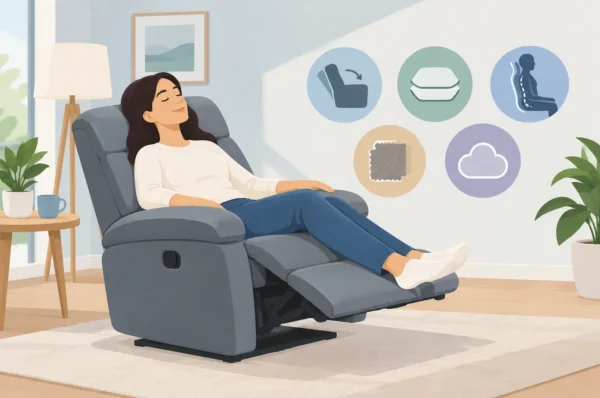
Affordable does not mean buying the cheapest lounge available. It means choosing value in the areas you will notice every day: supportive cushioning, a sturdy frame, practical upholstery and a size that genuinely suits your home. Decorative features are welcome, but they should not come at the expense of sit-down comfort.
If you are furnishing a whole home, allocate more of the budget to the main lounge and choose simpler occasional pieces around it. A quality-looking coffee table, storage cabinet and rug can be added over time. Flexible payment options can also help spread the cost of a considered purchase, provided the repayments work comfortably within your household budget.
At Carlisle Furniture & Bedding, shoppers can compare lounge shapes and finishes with the bigger picture in mind, whether they are furnishing a first home, refreshing a family room or setting up a new space from scratch. Seeing fabrics and proportions in person can be particularly helpful when comfort is high on the list.
Your lounge room does not need a designer price tag to feel like a sanctuary. Choose a style that fits your room, give comfort the final say, and add the personal details that make everyone want to stay a little longer.