A small apartment can feel beautifully considered or frustratingly cramped, and the difference is rarely the square metres. It comes down to choosing pieces that suit the way you actually live. Knowing how to furnish a small apartment means planning for comfort, storage and daily movement before falling in love with a sofa, dining table or bed.
The aim is not to fill every empty corner. It is to create a home that feels welcoming when friends visit, easy to tidy after a busy week and comfortable enough to switch off in at the end of the day.
Start with the layout, not the furniture
Before shopping, measure each room carefully. Note the wall lengths, window placement, door swings, power points and any awkward corners. In an apartment, a few centimetres can decide whether a piece feels perfectly placed or constantly in the way.
Allow clear paths between rooms and around key furniture. As a guide, you should be able to walk comfortably from the entry to the living area, kitchen and bedroom without turning sideways around furniture. Think about how drawers, wardrobe doors and fridge doors will open too. A beautiful cabinet loses its appeal quickly if it blocks the only walkway.
Give each area a clear job
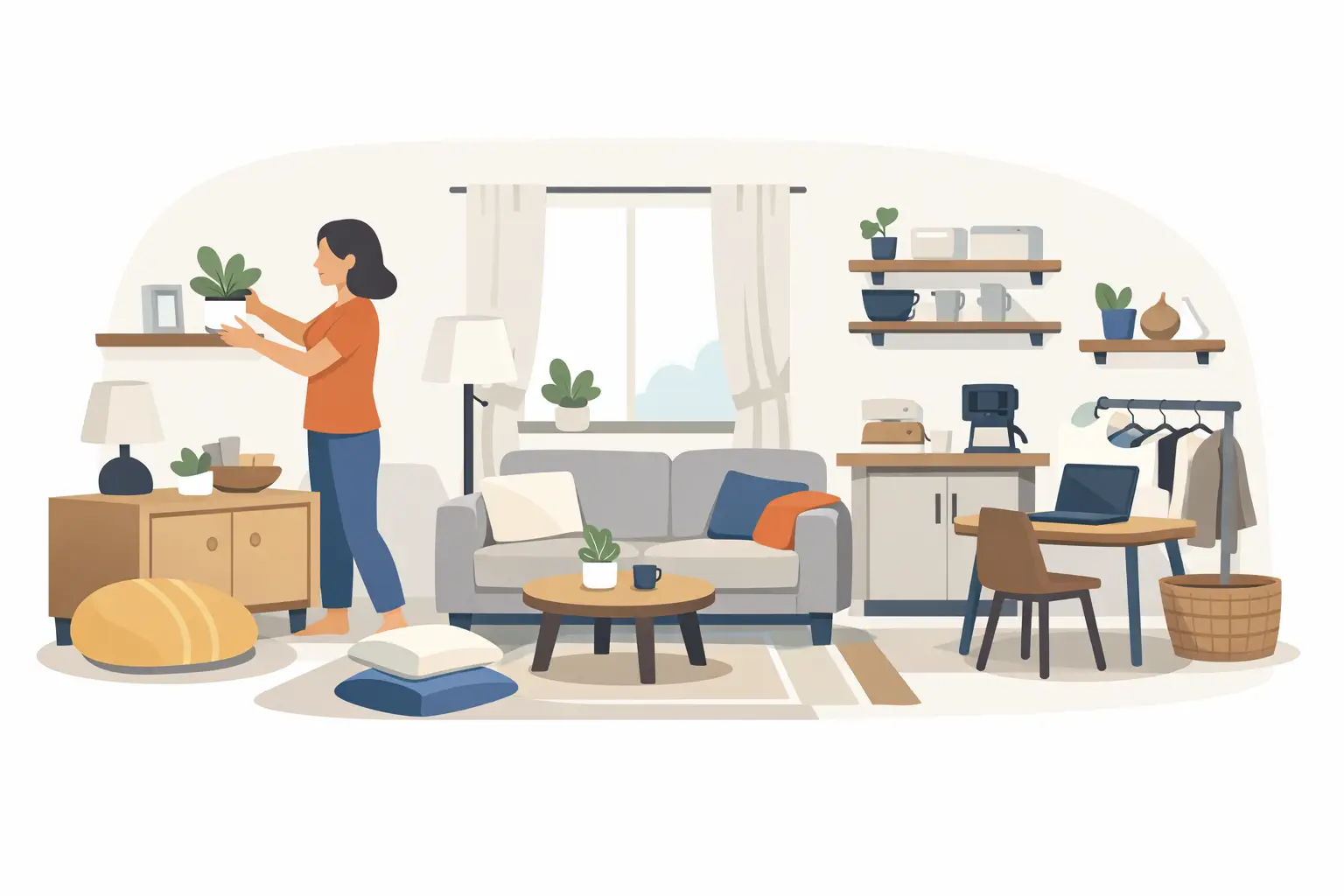
Open-plan apartments work best when the zones are obvious. A rug can define the lounge area, while a compact dining setting creates a separate place to eat, work or help the kids with homework. Positioning a sofa with its back to the dining space can also create a natural boundary without building a visual wall.
You do not need to buy everything at once. Start with the pieces that make daily life work: seating, a bed, a dining surface and practical storage. Decorative extras can follow once you understand how the room feels in use.
How to furnish a small apartment with the right scale
Small spaces need furniture with sensible proportions, not necessarily tiny furniture. A lounge that is too small for your household will not feel comfortable, while an oversized sectional can swallow the whole living room. Look for a compact two- or three-seater sofa with slimmer arms, raised legs or a lower profile to keep the room feeling open.
A sofa bed can be a smart choice for a studio or one-bedroom apartment that regularly hosts visitors. The trade-off is that some sofa beds are firmer or bulkier than a dedicated lounge, so prioritise a quality mattress mechanism and sit on it before committing if you can.
For dining, consider a round table in a tight corner, as it softens traffic flow and removes sharp corners from the path. An extendable table is ideal if most meals are for one or two people but family visits are common. If dining chairs are likely to become occasional lounge seating, choose upholstered or supportive designs rather than the cheapest option available.
In the bedroom, select the largest bed that still leaves comfortable access on both sides where possible. Storage beds are especially useful in apartments because the base can hold spare linen, seasonal clothing or bulky doonas without taking up another corner of the room. Pair it with narrow bedside tables, wall-mounted lighting or a compact tallboy rather than wide, low furniture that uses precious floor space.
Choose pieces that earn their footprint
Every large item should solve more than one problem where it can. An ottoman can provide a footrest, occasional seat and hidden storage. A lift-top coffee table may work as a casual desk. A slim console behind a sofa can hold lamps, chargers and everyday items while giving the living room a more finished look.
Multi-purpose furniture is useful, but avoid buying gimmicky pieces that are awkward to operate or uncomfortable to use. The best solution is often simple: a comfortable sofa, a bed with storage and a dining table that suits your real routine.
Build storage into the room from day one
Clutter is what makes many small apartments feel smaller than they are. Instead of relying on baskets to hide everything later, plan closed storage into each zone.
In the living area, a TV unit with drawers or cupboards can contain remotes, gaming accessories, cables and kids’ items. In the bedroom, a tallboy makes better use of vertical space than a broad chest of drawers. Entry storage matters too. A narrow shoe cabinet, storage bench or wall hooks can stop bags, shoes and jackets from taking over the lounge.
Open shelving has its place for books, plants and a few favourite objects, but it needs regular editing. If your apartment already feels busy, choose cabinetry with doors. Closed storage gives the eye somewhere quiet to rest and makes a quick tidy far more achievable.
Make the apartment feel larger without making it bland
Light, continuity and breathing room make a major difference. Keep your main furniture colours relatively calm and bring personality through cushions, throws, artwork and a rug. This does not mean every surface needs to be white or beige. A rich olive sofa, warm timber dining table or textured rug can create plenty of character when the overall palette is connected.
Choose one larger rug for the lounge rather than several small mats. Ideally, the front legs of the sofa and chairs should sit on it. This makes the seating zone feel intentional and can visually widen the room.
Mirrors are useful near natural light because they bounce brightness further into the apartment. Floor lamps and table lamps also create a warmer result than relying solely on a central ceiling light. In rental apartments where changing fittings may not be practical, layered lighting is one of the easiest ways to make a home feel more personal.
Curtains hung high and wide can make windows appear larger, provided they do not block light when open. If privacy is the priority, choose a simple blind or sheer curtain combination that still lets daylight through.
Spend your budget where comfort counts
When furnishing on a budget, it is tempting to choose the lowest-priced version of every item. That can cost more over time if a sofa loses support, a dining chair feels uncomfortable or a mattress affects your sleep.
Put more of the budget towards the pieces used every day: your mattress, bed base, sofa and dining chairs. You can save on side tables, decorative lighting, occasional chairs and styling pieces, which are easier to replace or update later.
A coordinated collection can remove much of the guesswork when furnishing a first apartment or starting again after a move. Matching timber tones across the dining area, bedroom and living room will create a calmer result, but they do not need to be identical. Mixing one main timber finish with black accents or soft neutral upholstery often looks more natural than buying a full matching suite.
Consider delivery access before you purchase. Check lift dimensions, stairwells, parking arrangements and apartment building rules, especially for large lounges and mattresses. A piece that fits your floorplan still needs to fit through the front door.
Four small-apartment mistakes worth avoiding
- Buying furniture before measuring the room, access points and door clearance.
- Pushing every piece against the walls, which can leave an awkward empty centre rather than creating useful zones.
- Choosing only low, wide furniture and missing the storage potential of vertical space.
- Filling shelves and tabletops with décor before the practical storage is sorted.
There is no single perfect layout for every apartment. A couple working from home will need a stronger desk solution than someone who uses the dining table occasionally, while a young family may value durable upholstery and toy storage above a minimalist look. Let your routine lead the decisions.
A well-furnished small apartment should never feel like a compromise. With comfortable, correctly sized furniture and storage that works quietly in the background, even a compact home can become the relaxed, stylish sanctuary you look forward to coming back to. Carlisle Furniture & Bedding can help make those room-by-room choices feel more achievable, with affordable options for living, dining, bedroom and storage spaces.